
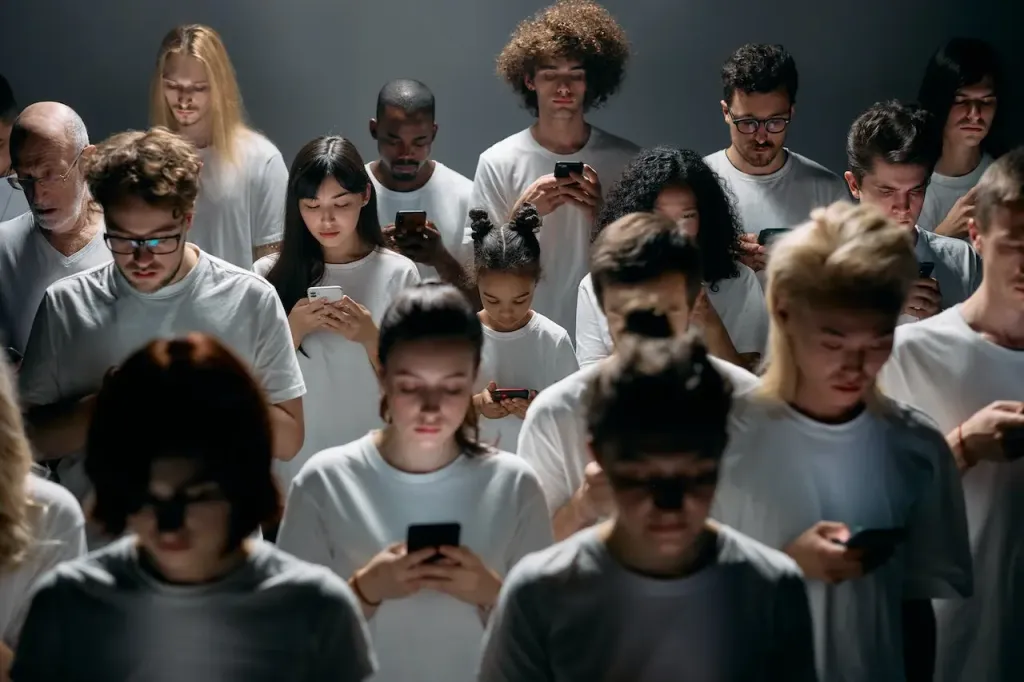
A comparison between productivity-focused UX and the emotionally driven nature of Game UX.
 View full image
Different goals
Mainstream UX usually focuses on helping people complete tasks efficiently. A banking app, e-commerce checkout or productivity tool often succeeds when users can accomplish goals with clarity and minimal friction.
Game UX is different because the experience is not only about completion. It is about challenge, emotion, mastery, immersion and motivation.
Friction is not always bad
In mainstream products, friction is often seen as something to remove. In games, some friction can be meaningful. Difficulty, uncertainty, resource management and discovery can create satisfaction when they feel fair.
The challenge for Game UX is distinguishing meaningful friction from confusing friction.
Feedback and learning
Both mainstream UX and Game UX depend on feedback. Users and players need to understand what happened, what changed and what they can do next.
In games, feedback also teaches mechanics, reinforces emotion and helps players build mastery over time.
Emotional design
Game UX must consider how systems make players feel. Menus, HUDs, rewards, onboarding and failure states all affect motivation and immersion.
A design may be usable but still weaken the fantasy or emotional pacing of the game.
What each field can learn from the other
Mainstream UX can learn from the engagement loops, feedback systems and emotional design of games.
Game UX can learn from accessibility, clarity, research methods and structured usability practices from mainstream product design.
takeaway